










- Blog Home
- ▸
- Is Greece Hot in March? What to Expect from Early Spring Travel
Is Greece Hot in March? What to Expect from Early Spring Travel
November 16, 2024 Guides

If you’re planning a trip and wondering, is Greece hot in March? The answer is: not quite.
March in Greece marks the beginning of spring, when the weather starts to warm up but hasn’t yet reached summer levels. Days are generally mild and pleasant, with average temperatures ranging from 12°C to 18°C (54°F–64°F), depending on where you are.
In this blog, we’ll explore what the weather is like across Greece in March, what to pack, and whether it’s a good month for your holiday.
March Weather in Greece
To begin with, March is a transitional month, meaning that winter is fading, and spring is arriving. In northern Greece and mountainous regions, the weather is still cool, sometimes even chilly. However, in southern areas and on islands like Crete or Rhodes, you’ll enjoy milder days with more sunshine.
- Athens & Mainland: Average highs around 16°C (61°F).
- Islands (Crete, Karpathos, Santorini): Slightly warmer, 17°C–18°C (62°F–64°F).
- Northern Greece: Cooler, with highs around 12°C (54°F).
Rain is possible but less frequent than in winter. While it’s not “hot” in March, it’s great for sightseeing, hiking, and experiencing Greece without summer crowds.
Is March a Good Time to Visit Greece?
If your idea of a holiday is lying on the beach all day, March may not be the right month. The sea is still cool, and sunbathing weather isn’t guaranteed. But if you’re curious about culture, history, and authentic Greek life, March is one of the most rewarding times to visit. Popular landmarks like the Acropolis in Athens or Knossos in Crete are far less crowded than in summer, allowing you to explore at your own pace. You’ll also find that accommodation, villas, and flights are more affordable, making spring one of the best-value seasons to travel.
March is also when Greece feels most genuine. Local life is in full swing: markets bustle with fresh produce, small festivals take place in villages, and tavernas are filled with locals rather than tourists. In Crete, for example, March is perfect for hiking through gorges, visiting traditional mountain villages, and discovering archaeological sites without the summer heat. And while it’s not beach season, you may still enjoy mild afternoons by the sea, especially in the southern parts of the island. Staying with Holiways Villas makes this experience even more rewarding, as you can enjoy the comfort of a private retreat with options like heated pools and concierge services that make spring escapes both relaxing and memorable.

Best for: Families Groups
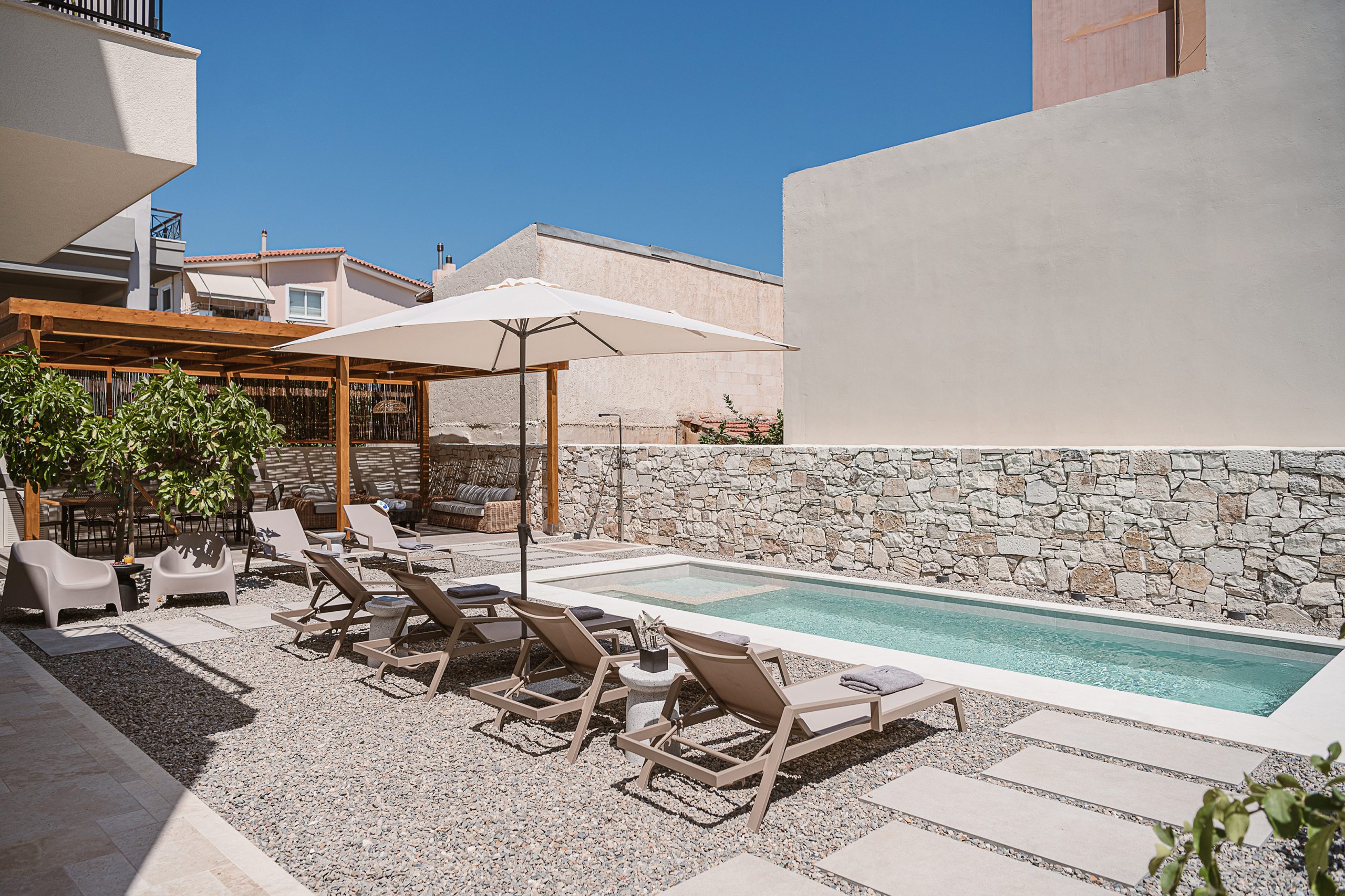
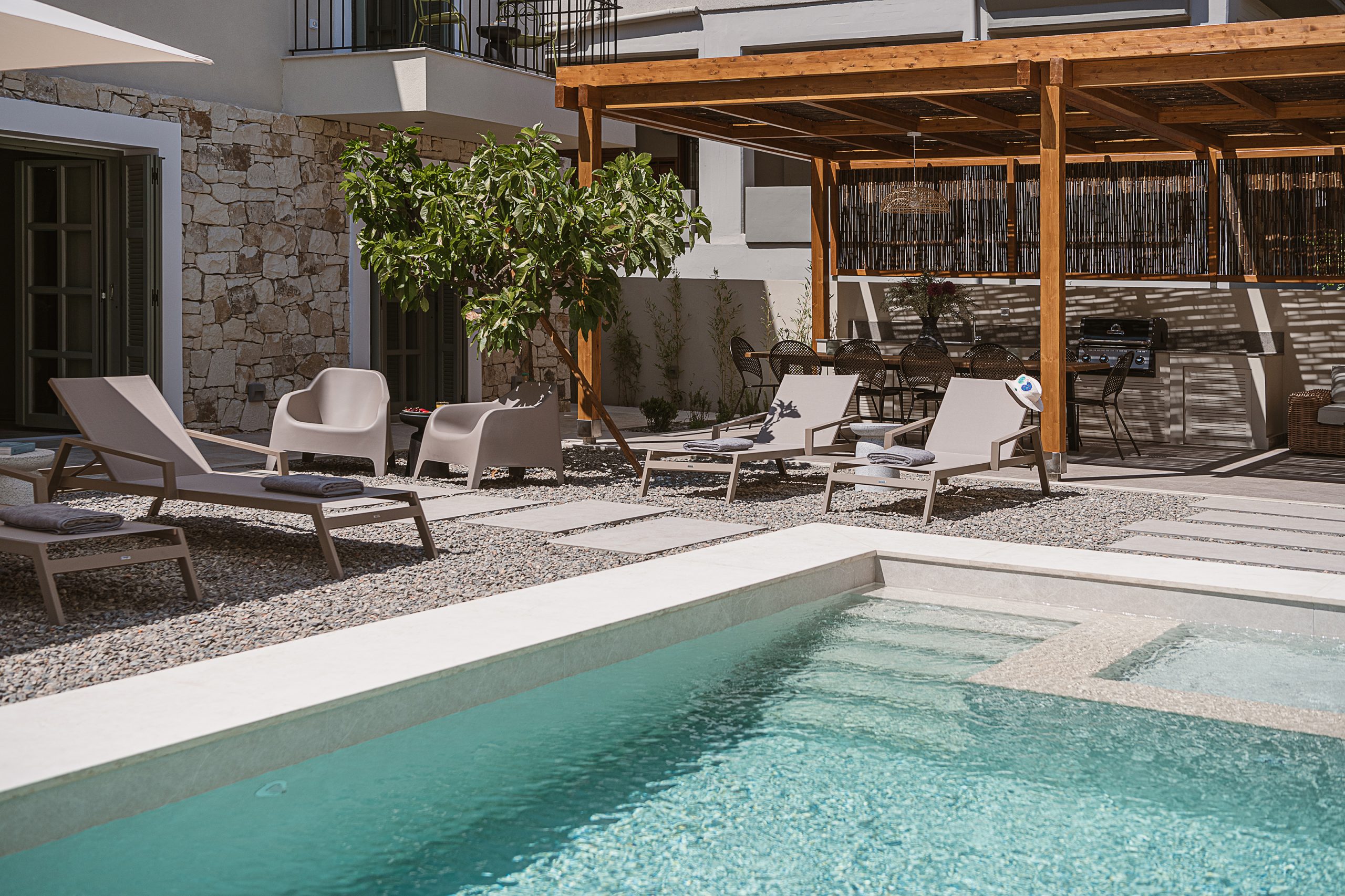
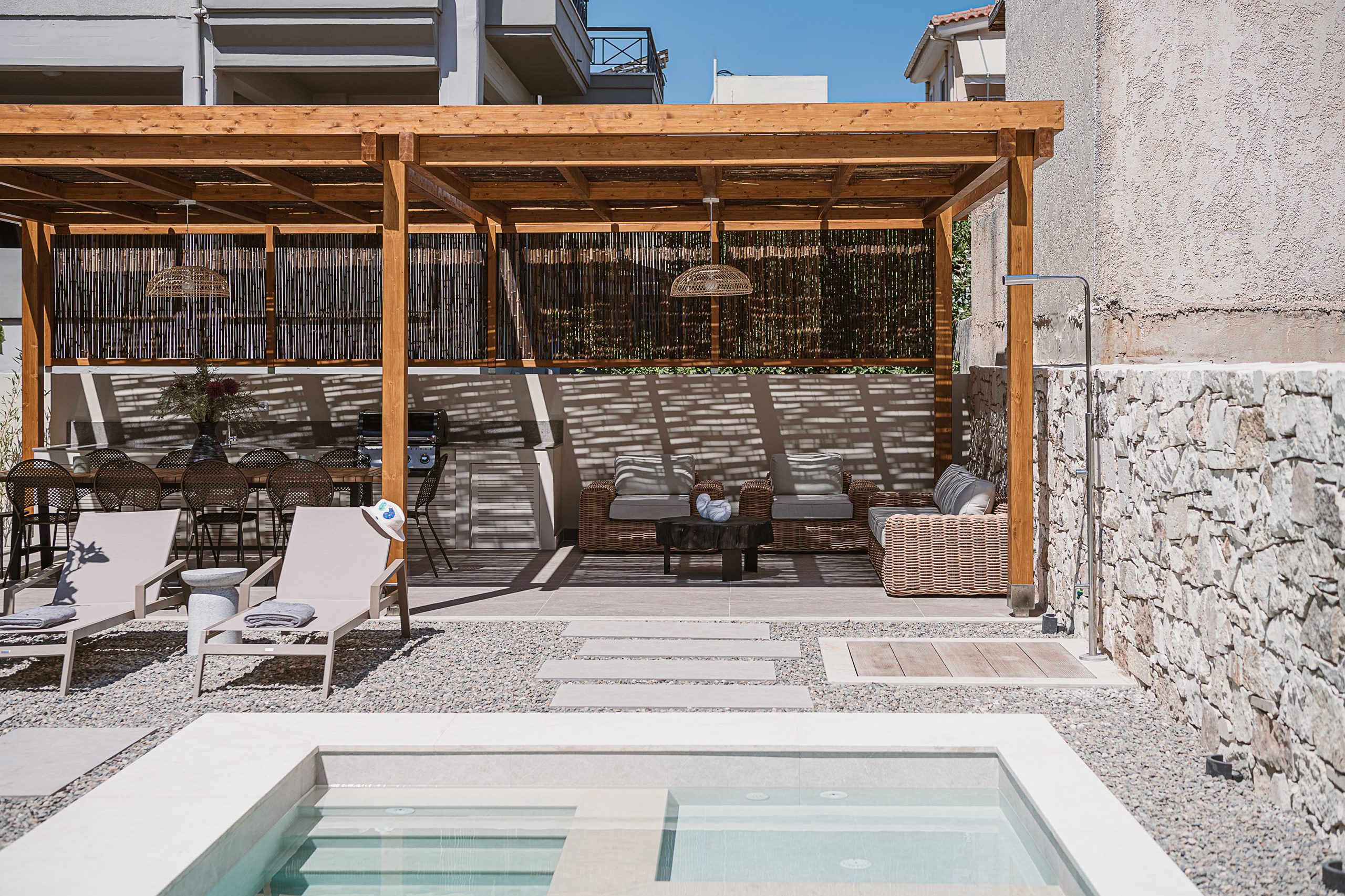
City Moments Villa
Crete / Chania /
-
 423 m2
-
 10 Guests
-
 5 Bedrooms
-
 5 Baths
from 670 €/night


Best for: Families Groups
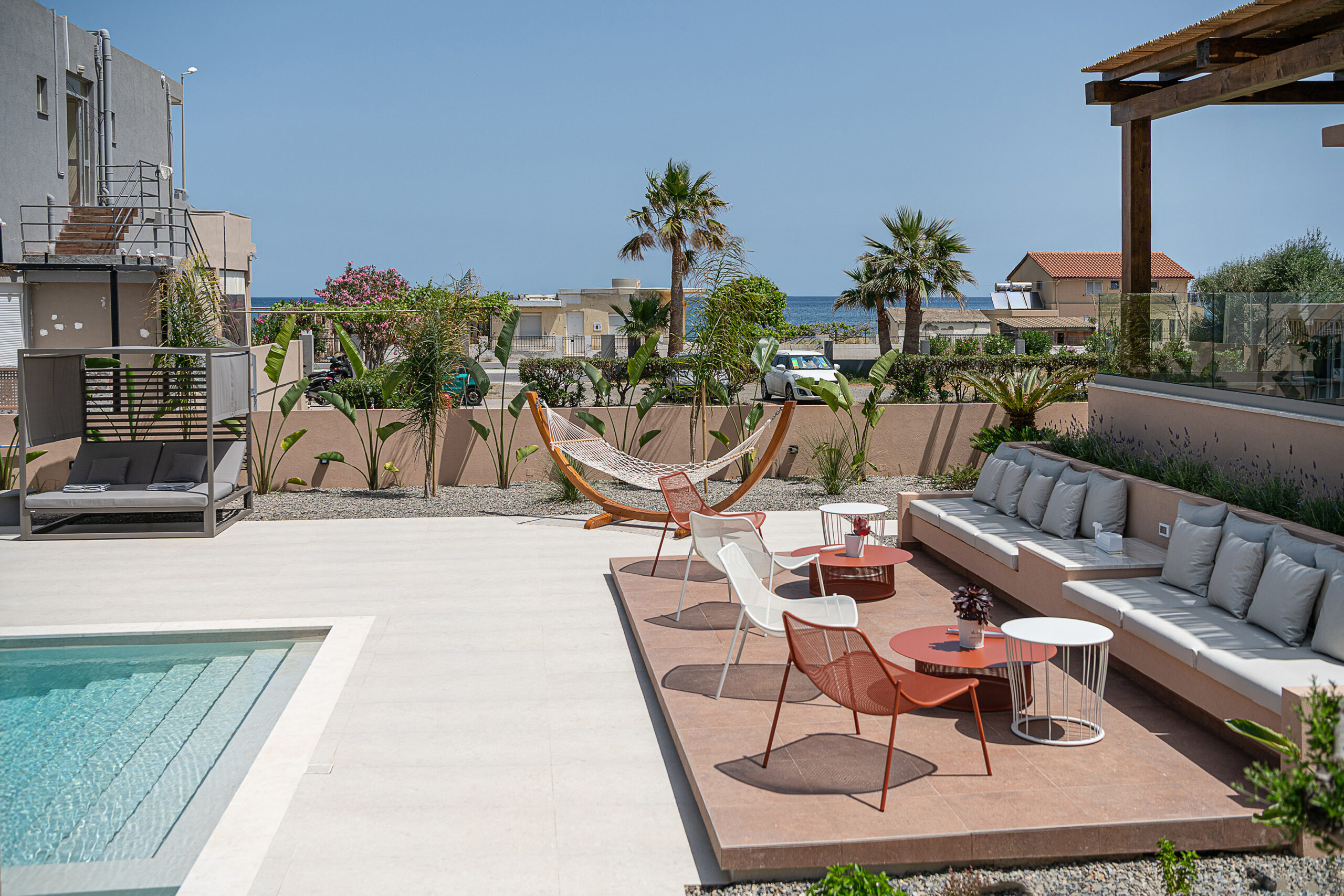
Villa Agali
Crete / Chania / Kalamaki /
-
253 m2
-
13 Guests
-
6 Bedrooms
-
6 Baths
from 750 €/night
What to Pack for Greece in March
Since March isn’t hot, packing layers is essential. Days can be sunny, but mornings and evenings remain cool.
- Light sweaters and long-sleeved tops
- A jacket or coat for evenings
- Comfortable shoes for walking and exploring
- Sunglasses and a light scarf (yes, the sun is still strong!)
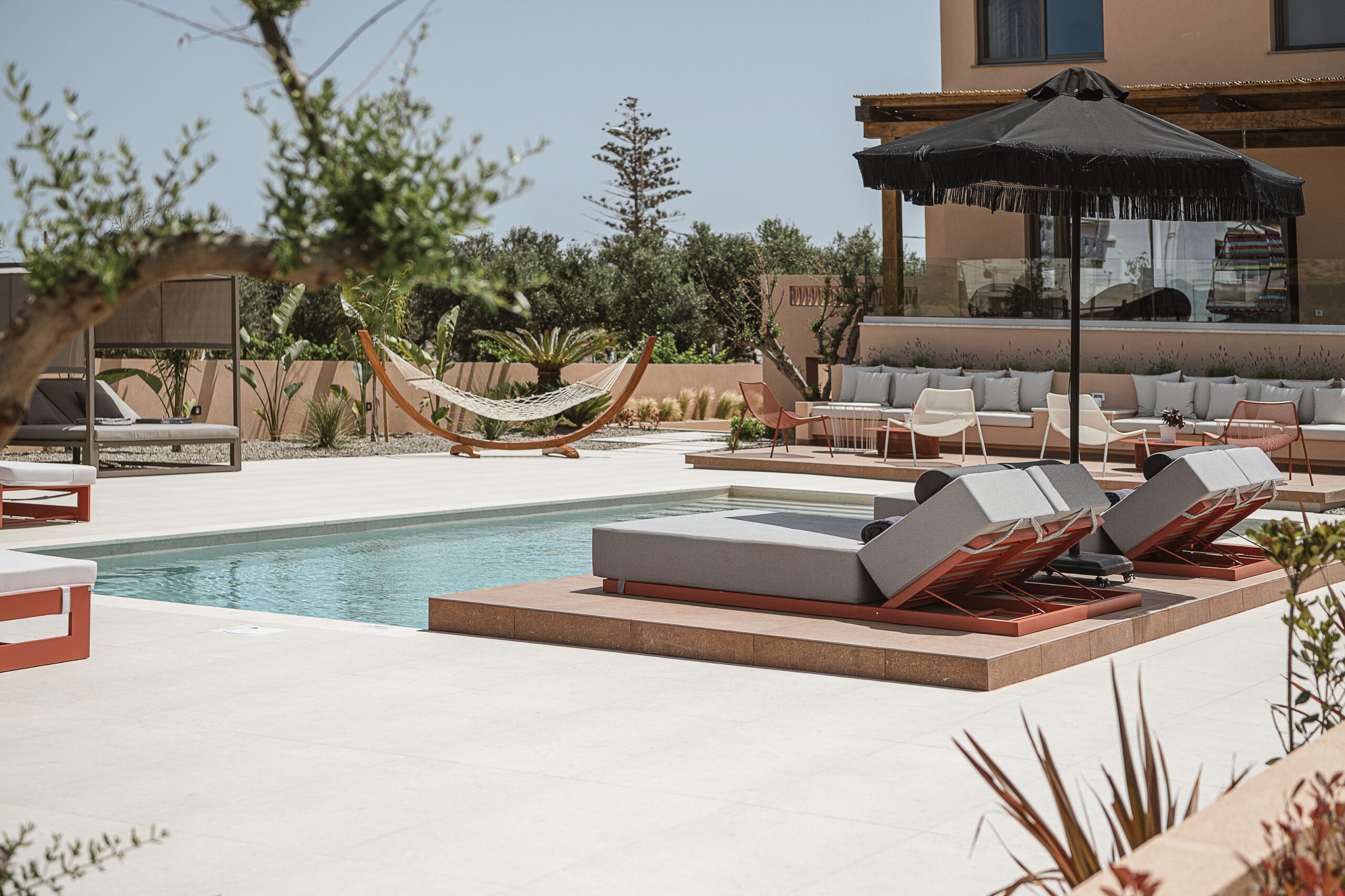
If you’re heading to Crete or Rhodes, bring a swimsuit too—while the sea will be chilly, some days may be warm enough for a quick dip or lounging by a heated villa pool.
Where to Go in Greece in March
Athens and the mainland are perfect in March if you’re drawn to culture and history. With comfortable temperatures and lighter crowds, it’s the ideal time to wander through archaeological sites, museums, and lively neighborhoods without the intensity of summer heat.
Crete is usually the warmest Greek island in March, making it a great choice for hiking, exploring gorges, and visiting traditional mountain villages. The landscapes are lush from winter rains, and you can enjoy archaeological treasures like Knossos without the summer queues.
For a more off-the-beaten-path experience, Karpathos is an excellent option. This island between Crete and Rhodes enjoys plenty of sunshine in March and offers a unique mix of untouched villages, rugged hiking trails, and authentic Greek life. With almost no tourist crowds, you’ll experience the island in its purest form.
Santorini, on the other hand, may be cooler, but its dramatic caldera views, quiet whitewashed streets, and sunsets are just as breathtaking in spring as in peak season—perhaps even more so when you have them all to yourself.
Conclusion
So, is Greece hot in March? Not really, but that doesn’t mean it isn’t a fantastic time to visit. Instead of summer heat and crowded beaches, you’ll find mild temperatures, peaceful cultural sites, and the chance to experience authentic Greek life at a slower pace. For travelers who enjoy history, nature, and off-season calm, March is a hidden gem of a month. At Holiways Villas, we offer properties with cozy living spaces, private pools, and even heated options.
Ready to plan your March holiday? Explore our villa collection and let us help you design your vacation.
To read more blogs, click here!
Are you looking for your dream villa? Book on this page!
Check our social media here!
Frequently Asked Questions (FAQs)
1. Is Greece warm enough to swim in March?
The sea is still cold (around 16°C / 61°F), but heated villa pools make swimming possible.
2. What’s the average temperature in Greece in March?
Between 12°C–18°C (54°F–64°F), depending on the region.
3. Does it rain a lot in March?
Rain is possible but less frequent than in winter. Therefore, expect a mix of sunny and cloudy days.
4. Which is the warmest Greek island in March?
Crete is usually the warmest, followed by Rhodes.
5. Is March a good month for sightseeing?
Yes. Milder temperatures and fewer tourists make it perfect for exploring landmarks and hiking.